For me, design always starts with a blank sheet of paper. You can actually see that below.
No software, no templates, just a pencil and a rough idea. There’s something about sketching by hand that lets me think faster than a mouse ever could. Lines get messy, get erased, get redrawn, and somewhere in that chaos an idea starts to take shape.
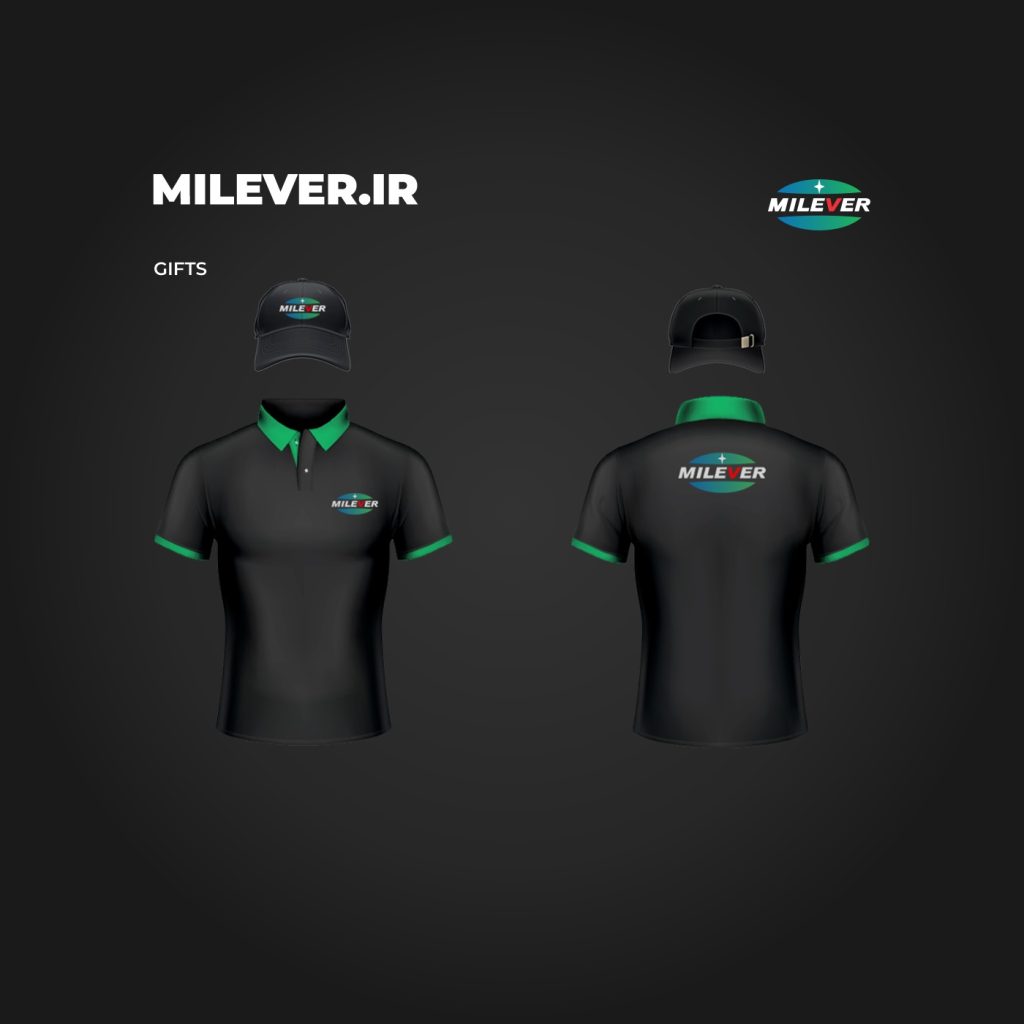
For this project, I was designing a small collection of branded merch for Milever Iran: t-shirts, gloves, and caps. Since Milever is a tire brand, I wanted the designs to feel like they belonged in that world. Bold, technical, a little rugged, but still wearable outside a warehouse.
Starting on paper
I sketched everything by hand first. Typography experiments, icon ideas, little compositions of how a logo might sit on a chest pocket or a cap panel. Nothing precious at this stage, just getting ideas out of my head fast enough to compare them side by side. This is the part I recorded a short clip of: pencil to paper, colors going down, before anything touched a screen.
Hand sketching also keeps me honest. It’s easy to make something look good in Illustrator with clean vectors and perfect kerning. On paper, if an idea doesn’t work, you can tell right away.
From sketches to visuals
Once I had directions I liked, I moved into digital. Refining the linework, testing color palettes against Milever’s brand identity, making sure everything stayed consistent across the different product types. This is also where I started using AI tools to help translate the rougher sketches into more polished visual concepts, which sped up the process of exploring how a design might actually look on fabric versus on paper.
Mockups
Before any physical sample existed, I built mockups to see the designs in context. On a folded t-shirt, on a cap brim, on a glove. Mockups are where a lot of small problems reveal themselves: a logo that’s too big for a sleeve, a color that reads differently on cotton than on screen, a placement that looks fine flat but strange on a body. It’s a cheap way to catch mistakes before anything gets printed.
The final product
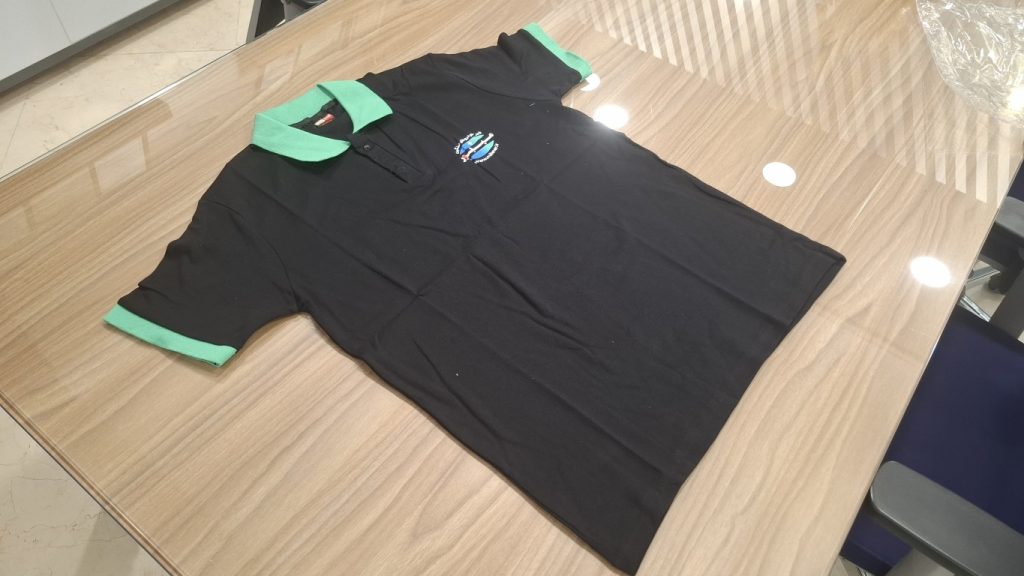
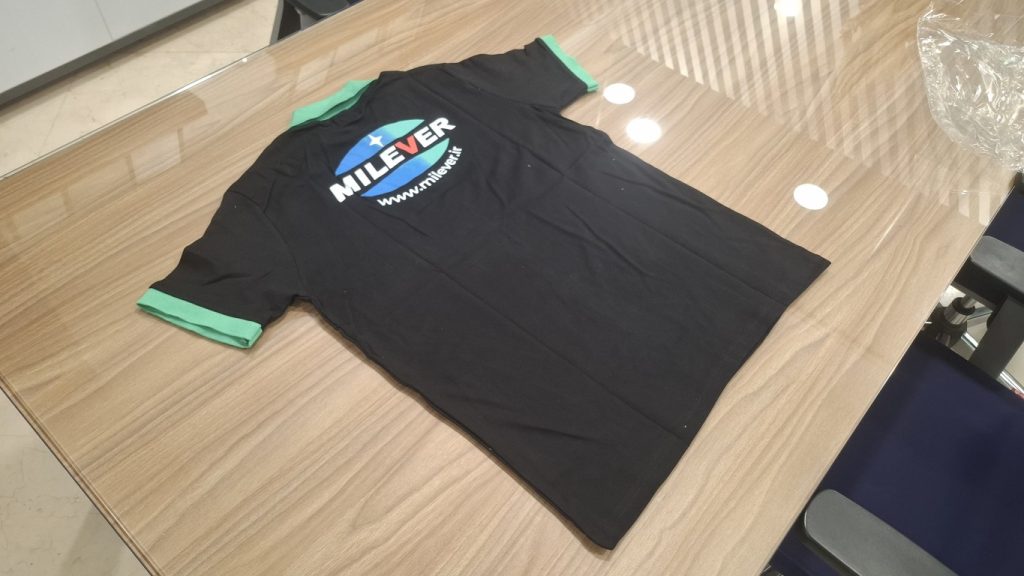
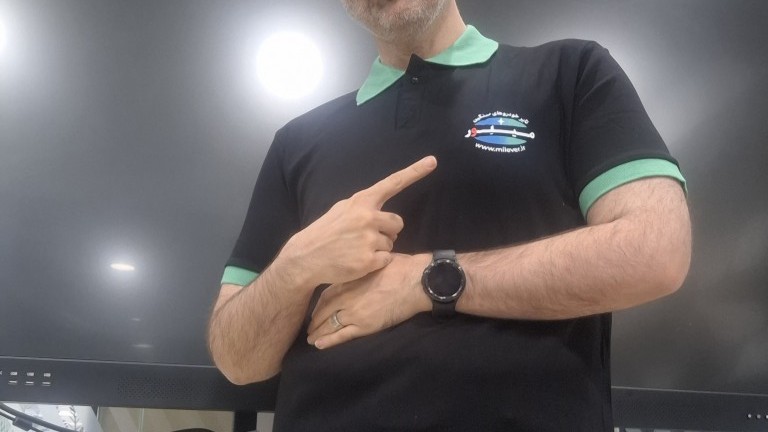
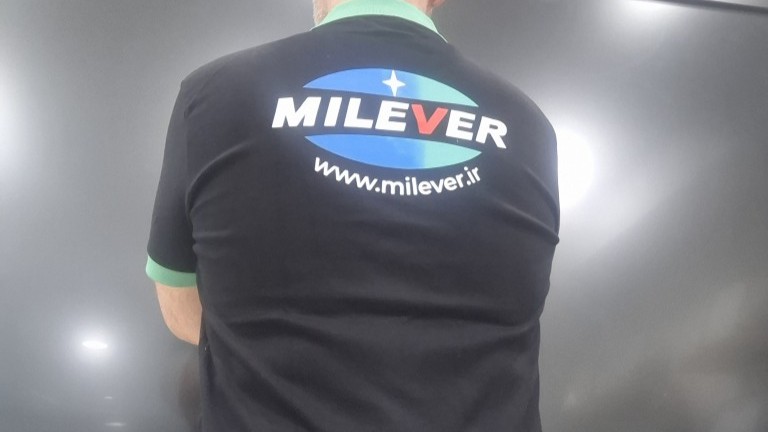
And then, finally, real products. T-shirts, gloves, and caps, printed and in hand. It’s always a strange, satisfying moment seeing something that started as a pencil scribble turn into an actual object someone can wear.